
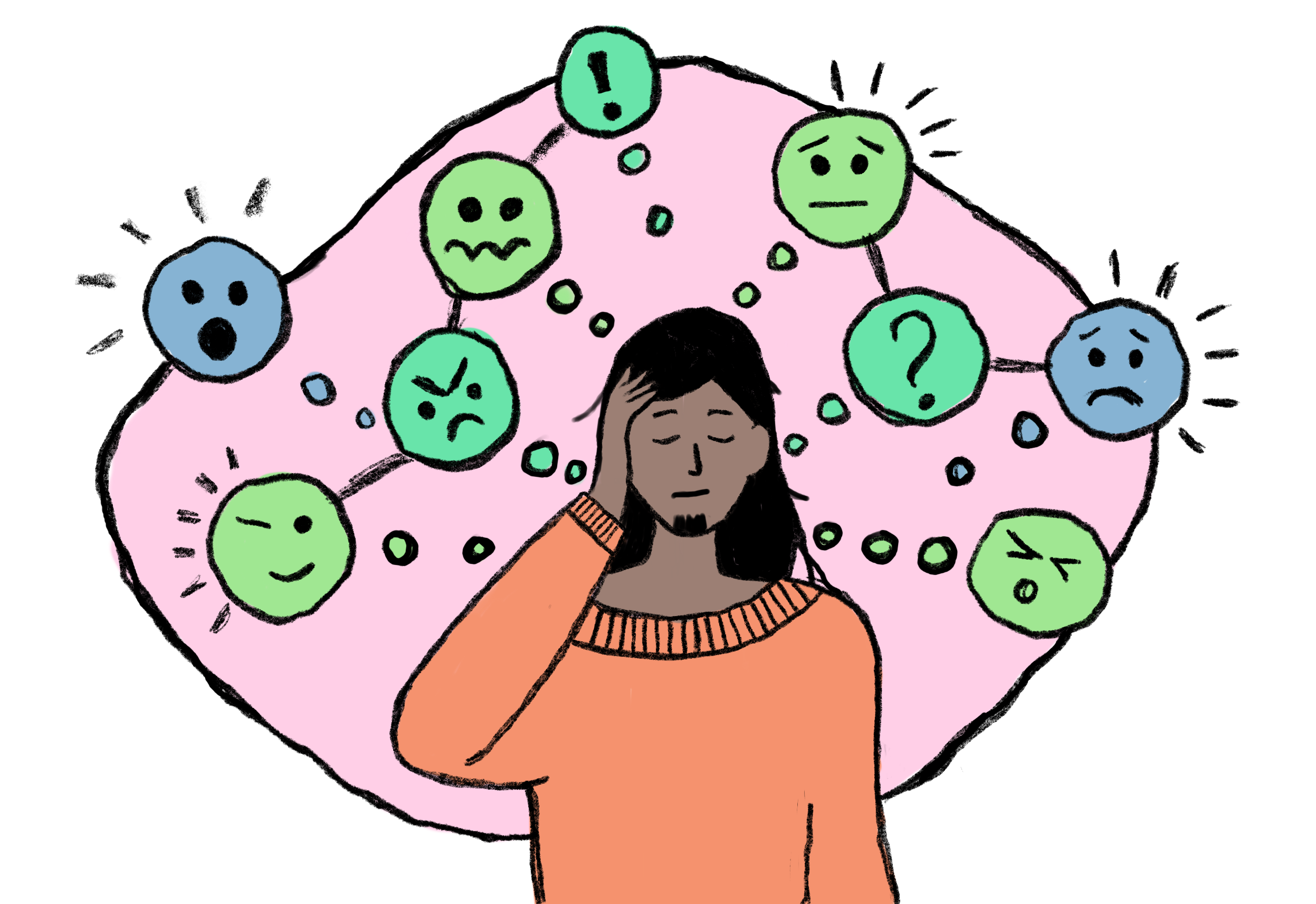
Have you ever noticed how different parts of you seem to take over in different situations? There are moments when one part feels confident and in control, while another feels anxious, critical, or withdrawn. These shifts are not random or contradictory. They reflect the natural complexity of the human mind. Internal Family Systems Therapy (IFS) offers a structured and insightful way to understand this inner landscape, helping individuals build clarity, balance, and emotional alignment.
At its core, Internal Family Systems Therapy is based on the understanding that the mind is made up of multiple “parts,” each with its own role, perspective, and intention. These parts are not flaws or weaknesses. Instead, they develop over time as adaptive responses to life experiences. Some parts may take on protective roles, helping individuals avoid pain or manage difficult emotions. Others may carry unresolved memories, emotional wounds, or vulnerabilities that have not yet been fully processed.
Rather than attempting to suppress or eliminate these parts, the therapeutic process focuses on understanding them. Each part, regardless of how disruptive it may appear, serves a purpose. For example, a highly self-critical voice may have developed as a way to prevent failure or rejection. Similarly, a part that avoids emotional closeness may be protecting against past experiences of hurt or disappointment. Recognising these roles allows individuals to shift from self-judgment to self-awareness.
Within this framework, these parts are often understood in distinct roles.
- Exiles are the parts that hold pain, shame, fear, or unresolved trauma, often pushed out of awareness because they feel overwhelming.
- Managers are proactive protectors that try to keep life under control by preventing discomfort, often through perfectionism, overthinking, or people-pleasing.
- Firefighters are reactive protectors that step in when emotional pain breaks through, using distraction or impulsive behaviours to quickly reduce distress.
A key element of this approach is the concept of the “Self,” which represents a person’s core state of calmness, clarity, and compassion. When individuals begin to access this state, they are better able to engage with their internal parts without feeling overwhelmed or controlled by them. This creates space for dialogue, reflection, and gradual transformation.
The therapeutic process is collaborative and paced according to the individual’s readiness. At Another Light Counselling, this work is approached with a strong emphasis on emotional safety and respect for each client’s unique experience.
During sessions, clients are encouraged to observe and describe their internal experiences in a structured way. This may involve identifying specific parts, understanding their roles, and noticing how they interact with one another. Over time, individuals begin to recognise patterns such as:
- Parts that react strongly in moments of stress or conflict
- Internal voices that reinforce self-doubt or criticism
- Protective behaviours that limit vulnerability or connection
Under the expertise of Aanchal Narang, sessions are designed to help individuals explore their inner system with curiosity rather than fear.
By bringing awareness to these patterns, therapy creates an opportunity for change. Instead of being driven by automatic reactions, individuals can begin to respond with greater intention and emotional balance.
As the process continues, individuals gradually develop a more integrated relationship with themselves. They learn how to lead their internal system rather than being dominated by one part at a time. This does not mean that difficult emotions disappear entirely. Instead, it means that those emotions can be experienced, understood, and managed without becoming overwhelming.
In conclusion, IFS provides a refined and effective framework for understanding the inner world. By fostering awareness, compassion, and internal balance, it allows individuals to move from conflict to coherence. With the right therapeutic support, this approach can lead to meaningful and lasting change, helping individuals build a more grounded and connected relationship with themselves.