

UNDERSTANDING COMPLEX TRAUMA: THE WOUNDS THAT LINGER
What Is Complex Trauma?
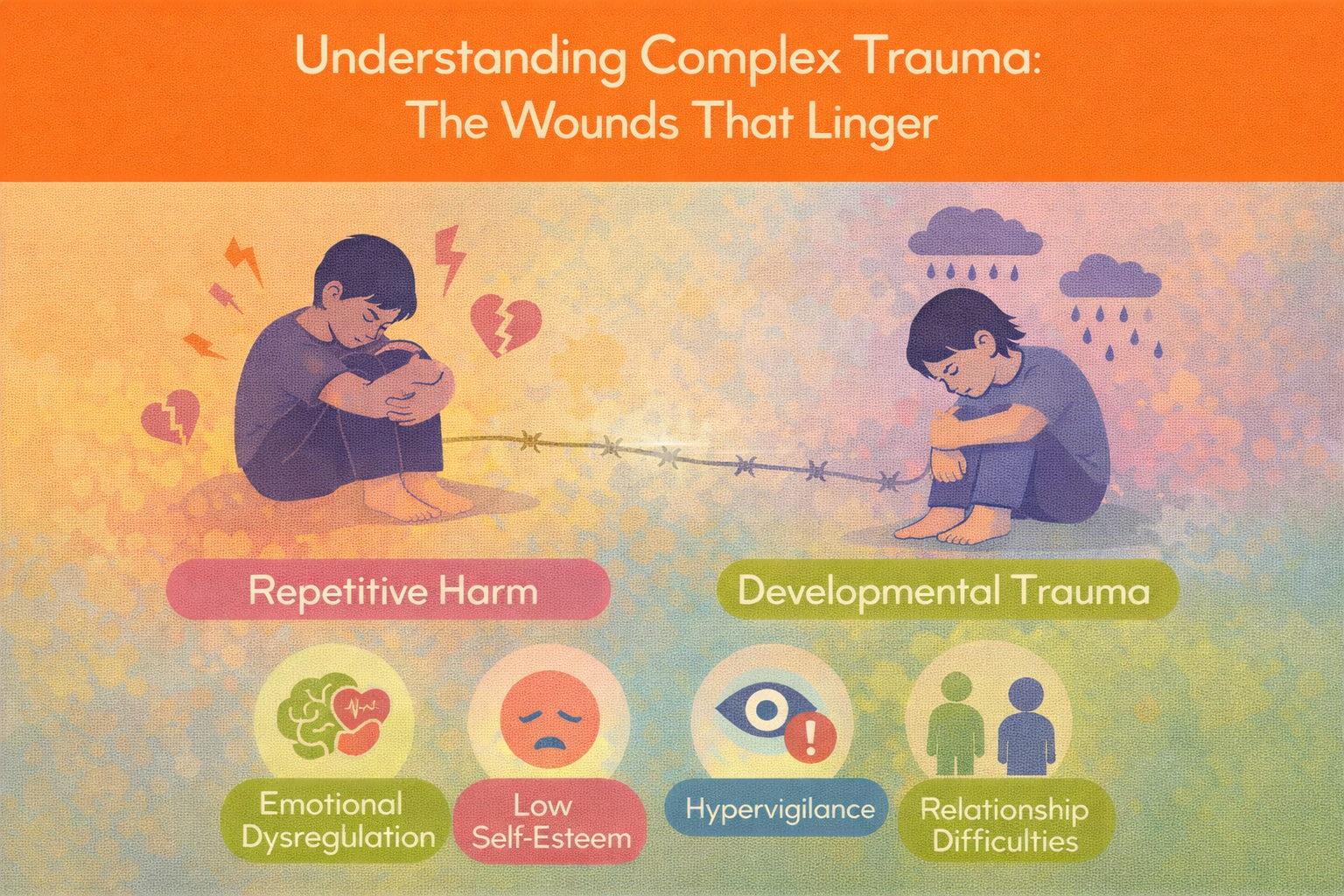
Trauma is often misunderstood as a singular event - an accident, an assault, a disaster. But for many, trauma is not a moment in time but a prolonged experience of suffering. This is the essence of complex trauma, a term that describes the cumulative impact of repeated, interpersonal harm over an extended period.
Complex trauma arises from prolonged exposure to harmful environments, particularly in childhood, where escape is not an option. It often involves chronic neglect, emotional abuse, physical violence, or coercive control from caregivers or authority figures. Unlike single-incident trauma, which typically has a clear beginning and end, complex trauma is ongoing and deeply woven into a person’s formative experiences.
How Complex Trauma Shapes the Mind and Body
Because it often occurs during critical stages of development, complex trauma significantly impacts emotional regulation, sense of self, and relationships. One isolated experience of criticism, rejection, or emotional neglect might not seem overwhelming. However, when these events occur repeatedly - especially in childhood or within close relationships - they can shape how individuals see themselves and the world around them. Some of its common effects include:
- Emotional Dysregulation: Difficulty managing emotions, leading to intense mood swings, dissociation, or chronic numbness.
- Negative Self-Perception: Persistent feelings of shame, worthlessness, or self-blame.
- Difficulties in Relationships: Fear of abandonment, trust issues, or repeated patterns of unhealthy relational dynamics.
- Hypervigilance and Anxiety: Constant alertness to danger, even in safe environments.
- Physical Health Issues: Chronic pain, autoimmune disorders, and gastrointestinal problems often correlate with complex trauma.
- Hypervigilance: Constantly scanning for threats or negative feedback in social interactions.
- Low Self-Esteem: Internalizing criticism or emotional neglect, leading to feelings of inadequacy.
- Avoidance and Withdrawal: Hesitation to form close relationships due to fear of rejection or further emotional harm.
This process, often referred to as "death by a thousand cuts," highlights how small but persistent emotional wounds can lead to symptoms similar to those seen in major trauma survivors.
Over time, these effects can interfere with daily functioning, relationships, and overall life satisfaction. In some cases, they may even contribute to the development of Complex PTSD (C-PTSD)—a condition that arises from prolonged exposure to relational trauma, particularly in childhood.
Healing from Complex Trauma
While complex trauma can feel deeply ingrained, healing is possible. A trauma-informed approach to recovery often includes:
- Therapeutic Interventions: Modalities like EMDR, Internal Family Systems (IFS), Somatic Therapy, and Compassionate Inquiry help process and integrate traumatic memories.
- Recognizing and Validating Trauma: Acknowledging that even small, repetitive hurts can have a lasting impact is a critical first step in healing.
- Developing Self-Compassion: Healing from trauma involves replacing self-criticism with self-compassion. Understanding that your reactions to past experiences are valid and that you deserve healing can be transformative.
- Building Emotional Awareness: Mindfulness practices and grounding techniques assist in reconnecting with emotions safely.
- Processing and Releasing Trauma: Unhealed trauma often stays in the body, manifesting as chronic stress, tension, or health issues. Engaging in body-centered healing practices like yoga, breathwork, or movement therapy and polyvagal-informed exercises support a sense of safety in the body and can help release stored trauma
- Rewriting the Narrative: Cognitive reframing and self-compassion work help individuals shift from self-blame to self-empowerment.
- Safe and Supportive Relationships: Connecting with understanding communities and secure relationships can be a powerful tool in healing.
A Compassionate Path Forward
Recovering from complex trauma is not a linear process, nor is it a journey that must be taken alone. With the right support, individuals can reclaim their sense of self, cultivate resilience, and move toward a life no longer defined by past wounds. Healing is not about erasing the past but learning to live fully despite it.